
Greenlight Commodities Just Executed the First Institutional Prediction Market Trade in History on Kalshi
A Houston-based CFTC-regulated introducing broker structured an OTC block trade between a hedge fund and Jump Trading on a carbon credit event contract — marking the moment institutional money formally arrived in prediction markets.
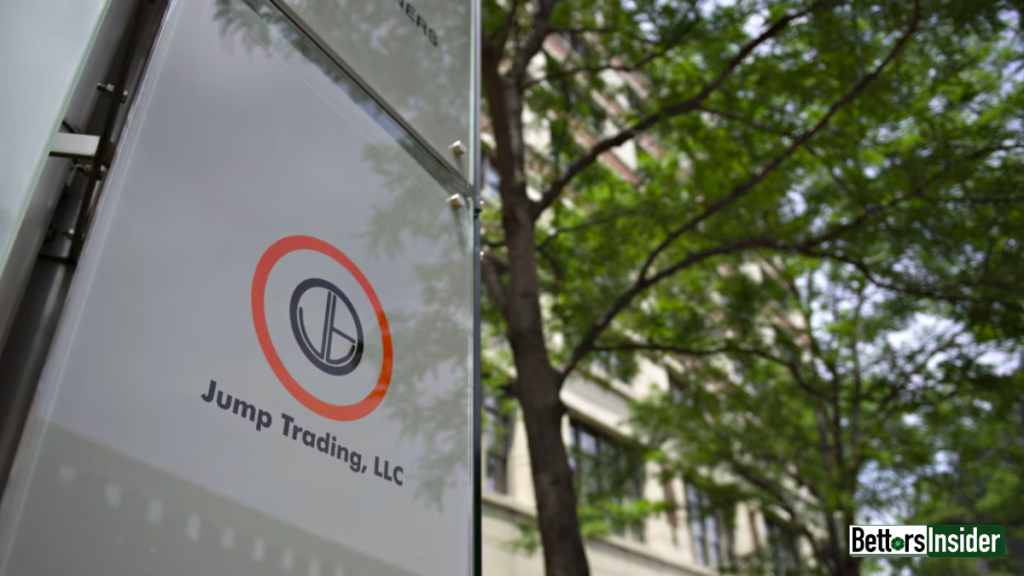

Prediction markets have spent most of their existence catering to retail bettors wagering on elections, sports, and weather. That changed on April 27, 2026, when Greenlight Commodities announced it had executed what is widely recognized as the first institutional block trade in prediction market history — an over-the-counter transaction structured on the Kalshi platform between a Houston-based environmental hedge fund and Jump Trading Group. The moment signals a fundamental shift in how sophisticated financial players are starting to view event contracts.
What Happened
Greenlight Commodities, a Houston-based introducing broker registered with the National Futures Association (NFA) and regulated by the Commodity Futures Trading Commission (CFTC), served as the intermediary that brought the deal together. The trade connected a Houston-based environmental hedge fund — acting as buyer/seller — with Jump Trading Group, one of the world’s most sophisticated institutional market makers and a known investor in both Kalshi and Polymarket.
The opportunity was initially identified and sourced by Montauk Capital, which recognized a growing institutional demand for event contracts tied to environmental commodity outcomes. Rather than executing a traditional futures trade on carbon allowances directly, the parties used a purpose-built Kalshi event contract tied to a specific, measurable real-world result: the clearing price of California Air Resources Board (CARB) Joint Auction #47, scheduled for May 20, 2026.
CARB holds quarterly cap-and-trade auctions where companies purchase California Carbon Allowances — permits required to emit greenhouse gases under the state’s emissions-reduction framework. The clearing price at each auction is a meaningful data point for environmental commodity participants. Instead of taking on the direct exposure of owning or shorting those allowances, the hedge fund used the Kalshi event contract to express a view on the auction’s outcome, gaining a defined-risk position tied entirely to that one measurable event.
Jump Trading provided the pricing sophistication, risk management infrastructure, and institutional scale necessary for the other side of the trade to function at this level. The transaction cleared under an existing regulatory structure — NFA registration, CFTC oversight, and execution through designated contract markets and derivatives clearing organizations, including Kalshi itself.
Why This Trade Is Different From Anything Before It
Most activity on prediction markets — including on Kalshi — has historically been driven by retail participants. The contracts most people know involve election outcomes, sports results, or economic indicators. Those contracts are real and useful, but they represent a fundamentally different use case than what happened here.
This trade is institutional hedging and speculation on a commodity market outcome. It uses the prediction market infrastructure — event contracts with defined payouts tied to specific binary or ranged outcomes — to accomplish something that previously required far more complex derivatives structures. The hedge fund got defined risk. Jump Trading got a pricing opportunity worth engaging at institutional scale. Greenlight Commodities structured the whole thing through a regulated pathway.
Greenlight described the moment plainly in its announcement: “The milestone marks a new phase for event contracts and prediction markets: institutional block orders are now here.” The firm added that “this first block trade is only the beginning.” To understand how prediction markets work at the retail level is one thing — to watch them absorb institutional block flow on a commodity market event is something altogether different.
Kalshi’s Expanding Institutional Ambitions
The timing of this trade is not accidental. Kalshi has been building toward institutional participation for some time. The platform recently received NFA approval to offer margin trading to professional clients — a structural development that makes it far more viable for institutional players who need leverage and professional account features to operate at scale.
Kalshi CEO Tarek Mansour has been direct about where he sees this heading. In comments reported by Bloomberg, Mansour said institutional applications of prediction markets could represent a $10 to $15 trillion market, with even greater growth potential if products currently exclusive to Wall Street gain broader popularity. The Greenlight trade is the first concrete data point supporting that thesis.
The significance of Jump Trading’s participation should not be understated. Jump is not a firm that participates in nascent markets for reputational reasons — it is a quantitative trading powerhouse that engages where it sees genuine pricing opportunities and market structure worth participating in. The fact that Jump served as counterparty here suggests the firm views Kalshi event contracts as a legitimate instrument for institutional activity, not an experiment.
The Regulatory Backdrop
This institutional milestone arrives while Kalshi is simultaneously fighting a series of state-level enforcement actions. Ohio fined the company $5 million. Nevada forced a shutdown of operations in that state. Massachusetts filed suit, and the New York Attorney General has taken legal action as well. Kalshi and the CFTC have pushed back hard, with the federal regulator suing several states to defend the platform’s right to operate under federal jurisdiction. The legal battles reflect a broader tension between state gambling regulators and the CFTC over who has authority to oversee event contracts.
That context matters because it shapes the regulatory environment in which this trade was executed. Greenlight structured the transaction specifically through existing federal regulatory infrastructure — CFTC oversight, NFA registration, and execution on a federally regulated designated contract market. The institutional pathway does not depend on state-level resolution; it runs through federal channels that Kalshi and its participants believe provide sufficient legal authority. Anyone comparing prediction markets vs. sports betting from a regulatory lens will find this distinction increasingly important as institutional use cases develop.
What Comes Next
A single block trade does not transform a market overnight, but it does establish that the infrastructure works, that institutional parties are willing to engage, and that a regulatory path exists for doing so. Greenlight’s framing — “this first block trade is only the beginning” — suggests the firm is already in discussions about follow-on transactions.
The carbon allowance auction was a natural first choice. It has a clear, publicly verifiable outcome on a known date. The participants on both sides had operational familiarity with the underlying market. The contract structure offered genuine utility for risk management. Those are exactly the conditions that make an event contract viable at institutional scale.
As Kalshi continues building out its professional and institutional product offering, and as more introducing brokers like Greenlight develop the infrastructure to source and structure institutional block orders, the question is no longer whether institutional money will participate in prediction markets. It already has. The question now is how quickly the rest of the market catches up to what happened in Houston.