
Ontario Is Trying to Completely Ban Sports Betting Ads — And U.S. Regulators Are Paying Attention
Ontario's proposed Stop Harmful Gambling Advertising Act would ban iGaming ads across TV, social media, and sponsorships — and it's drawing attention from U.S. regulators watching the province as a model market.
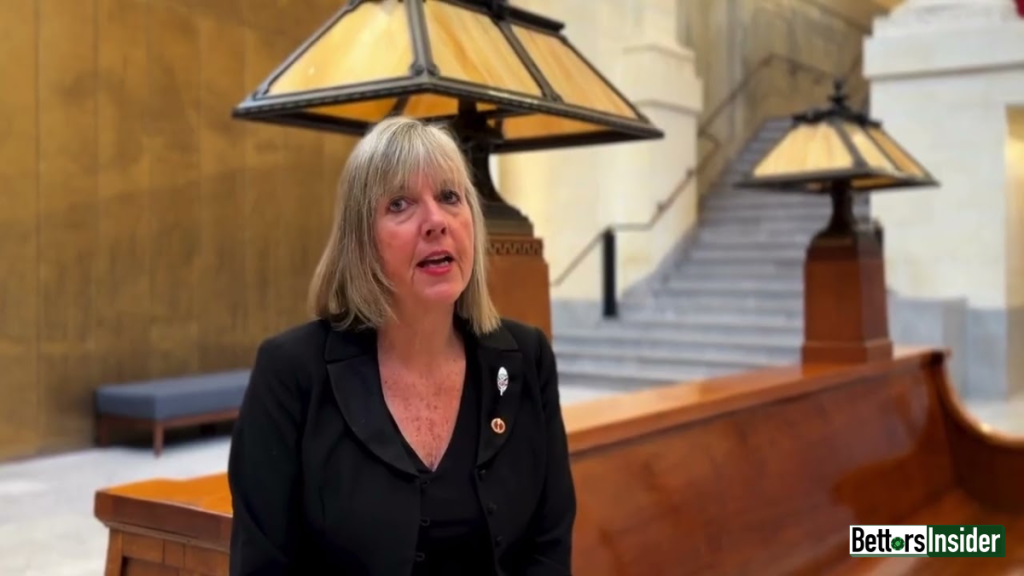

Ontario lawmakers are once again trying to ban sports betting and iGaming advertisements entirely, and this time the legislative push is coming from multiple directions simultaneously. The proposals have little chance of becoming law in the short term, but the political momentum behind them — and the fact that U.S. regulators are watching closely — makes this a story that matters far beyond Canada.
What Ontario Is Proposing
On April 21, 2026, Ontario Liberal MPP Lee Fairclough introduced Bill 107, called the “Stop Harmful Gambling Advertising Act,” at Queen’s Park. The bill would make it illegal for Ontario’s licensed iGaming operators to advertise or otherwise promote their products through television, social media, and paid sponsorships. Licensed operators that violate the proposed law would face fines of up to $1 million for a first offense and risk losing their Ontario iGaming license for subsequent violations.
Fairclough framed the legislation as a response to what she described as a “growing public health crisis associated with gambling addiction in the province,” citing the 2022 decision to open Ontario’s online gambling market to private operators as the inflection point. The bill was co-sponsored by three other Liberal MPPs, including interim party leader John Fraser, who has been pushing advertising restrictions for years. Fraser introduced a motion in 2023 seeking to tighten Ontario’s marketing rules, and the Liberals have been escalating their position ever since.
Bill 107 is unlikely to pass in its current form. The Liberals hold third-party status in the Ontario legislature and lack the votes to advance their own legislation without support from the governing Progressive Conservatives or the official opposition. Observers noted that the same political dynamics that blocked similar efforts in 2023 remain in place in 2026. However, the introduction of the bill — and the fines and license-revocation mechanisms it proposes — puts a marker down for what more aggressive regulation could look like if the political balance shifts.
The Federal Layer: Bill S-211 in Ottawa
The Ontario legislation does not exist in a vacuum. In Ottawa, a separate federal bill — S-211, known as the National Framework on Sports Betting Advertising Act — has already passed the Canadian Senate in a voice vote with no dissent. Sponsored by Senator Marty Deacon, S-211 passed the upper chamber and advanced to the House of Commons, where it requires a second and third reading to become law. Liberals hold a majority in the lower chamber, and the bill has reported substantial support.
Senator Deacon’s bill stops short of an outright ban, instead creating a national framework that would restrict sports betting advertising with a view toward “limiting the number, scope, or location” of ads and potentially limiting or banning celebrities and athletes from promotional appearances. Deacon has publicly acknowledged that a full ban was his initial aspiration but that he chose not to pursue it to avoid years of litigation. The more measured federal approach is still significant because it would establish binding national standards that provincial operators — including those in Ontario — would have to follow.
What Prompted This: The Post-2022 Advertising Blitz
Ontario opened its competitive iGaming market to private operators in April 2022, and the advertising that followed was, by most accounts, overwhelming. Major operators — including Canadian-licensed versions of brands familiar to U.S. bettors — flooded television broadcasts, social media platforms, and sports venue signage. The sheer volume of gambling advertising became a genuine political issue, and regulators at the Alcohol and Gaming Commission of Ontario (AGCO) began tightening rules in response to public pressure.
The AGCO has already implemented restrictions banning the use of active or retired athletes in gambling advertisements, unless those promotions are focused on responsible gaming messaging. The regulator also moved to restrict the use of celebrities who reasonably appeal to minors, going further than the prior standard, which only prohibited people who “primarily appeal” to those under 18. These rule changes came into force before Bill 107 was introduced, suggesting that Ontario’s regulatory environment is moving in a restrictive direction regardless of whether the legislature acts.
Why U.S. Regulators Are Paying Attention
Ontario matters to U.S. gambling regulators for a specific reason: the province has functioned as an early-stage model for how a North American regulated online gaming market develops over time. Several U.S. states looked to Ontario’s competitive licensing framework as a template when designing their own regulatory structures. That same mirror dynamic is now playing out on the advertising question.
Regulators in states including New York, Illinois, and Massachusetts have discussed or proposed various restrictions on gambling advertising in recent years. None of those states have gone as far as Bill 107 proposes, but the existence of that proposal — and particularly the license revocation penalties — gives domestic regulators a reference point for what maximalist enforcement looks like. Trade groups representing U.S. operators have consistently opposed blanket advertising bans as unconstitutional restrictions on commercial speech, and legal challenges would be almost certain in the event any U.S. state attempted an Ontario-style prohibition.
For operators like DraftKings and FanDuel, the policy trajectory in Ontario has real business implications. Both companies operate in Ontario’s regulated market under the iGaming Ontario framework. If the federal S-211 framework becomes law and restricts advertising scope or celebrity usage, it could affect how those brands market their Canadian products and potentially establish precedent that makes its way into U.S. regulatory discussions. Canadian operations are relatively small compared to the U.S. business for both companies, but the policy signal carries weight.
The Industry Response
The iGaming industry in Canada has generally resisted calls for outright advertising bans while acknowledging that responsible gambling messaging needs to be more prominent. Industry groups have argued that blanket bans would push consumers toward unregulated offshore operators, undermining the public health and tax revenue goals that legalization was meant to achieve. That argument has been effective in limiting the scope of regulatory action so far, but the political environment in Ontario and at the federal level appears to be shifting.
The combination of a federal bill passing the Senate with no opposition votes, a provincial opposition party pushing for license revocation powers, and a regulator that has already moved unilaterally to restrict athlete and celebrity advertising suggests that the era of largely unrestricted gambling advertising in Canada is ending. The only question is how quickly and how severely the restrictions will tighten — and how much of that progression will eventually be replicated south of the border.