
Nebraska Sports Betting Could Be Decided by Voters in November 2026 — DraftKings and FanDuel Are Already Funding the Campaign
After two failed legislative sessions, the sports betting industry is taking Nebraska mobile betting directly to voters. DraftKings and FanDuel have each committed $1.1 million to the Tax Relief Nebraska ballot campaign.

Nebraska bettors have been waiting through multiple failed legislative attempts to bring mobile sports betting to the state. The legislature legalized casino gambling in 2020, retail sportsbooks launched in 2023, and two consecutive sessions — 2024 and 2025 — ended without a mobile betting bill making it through. The industry has now decided it is done waiting for lawmakers. A ballot initiative campaign called Tax Relief Nebraska is collecting signatures to put online sports betting before Nebraska voters in November 2026, and DraftKings and FanDuel have already written checks to fund it.
The Campaign: How It Works
Tax Relief Nebraska began circulating two separate petitions in February 2026, required by Nebraska’s single-subject rule — each ballot measure can only address one topic. The first petition seeks a constitutional amendment to legalize online sports betting through casinos affiliated with licensed horse racing tracks. The second addresses tax revenue distribution, directing the proceeds primarily back to the cities and counties where bets are placed, mirroring the state’s existing 20% casino tax structure.
Getting both measures on the ballot requires collecting signatures from 10% of Nebraska’s registered voters for the legalization petition and 7% for the tax framework petition — with at least 5% of signers in each petition coming from 38 of the state’s 93 counties. Nebraska has approximately 1.25 million registered voters, meaning the campaign needs roughly 125,000 valid signatures for the constitutional amendment threshold. The signature collection deadline is July 3, 2026.
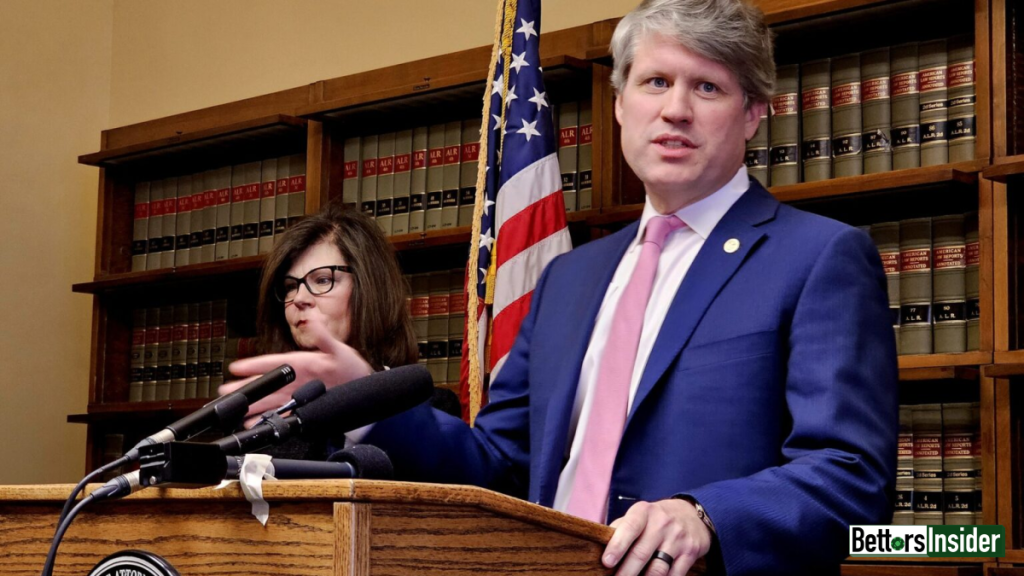
Campaign finance records show Tax Relief Nebraska raised more than $2.6 million in February and March of 2026 alone. DraftKings and FanDuel each contributed $1.1 million, accounting for the overwhelming majority of funds raised during that period. Additional contributions came from Roar Digital — the online sports betting joint venture between MGM Resorts and Entain — which added $250,000, and from FBG Enterprises, a subsidiary of Fanatics Sportsbook, which contributed $75,000. That is essentially the full roster of major U.S. sports betting operators showing up together in a single state campaign. Contributions to political figures also followed: Nebraska Attorney General Mike Hilgers received $75,000 in gaming industry contributions through early April 2026, and Governor Jim Pillen’s campaign also received sizable gaming-related donations.
Why the Legislature Could Not Get It Done
Nebraska’s legislature came close in 2025. A constitutional amendment sponsored by Lincoln Senator Eliot Bostar — LR 20CA — cleared committee with a 6-2 vote but ultimately stalled before reaching voters. The bill required a two-thirds supermajority in each of three rounds of floor debate to advance, and opponents were able to slow it down enough to run out the clock. The legislature’s conservative bloc, wary of expanding gambling, proved just large enough to block the supermajority required for a constitutional amendment.
Proponents had estimated that legal mobile sports betting would generate roughly $32 million in annual tax revenue and represent approximately a $1.6 billion total industry for Nebraska. Those numbers were not quite compelling enough to move the necessary votes in a unicameral legislature with a significant gambling-skeptical faction. The ballot initiative route sidesteps that problem entirely, requiring only a simple majority of voters to pass both measures. Nebraska voters have demonstrated they are willing to approve gaming expansions at the ballot box when given the opportunity: three initiatives that legalized casino gambling passed in November 2020.
What the Ballot Measure Would Actually Allow
Under the proposed constitutional amendment, national sports betting operators would need to partner with existing Nebraska casinos — specifically those affiliated with licensed horse racing tracks. WarHorse Casino, which operates facilities in Lincoln and Omaha, already has framework agreements in place with FanDuel, DraftKings, BetMGM, and other operators. That means if voters approve the measures in November, the major brands would be positioned to launch relatively quickly rather than spend months negotiating market-access agreements from scratch.
The current proposal would allow up to six online sports betting platforms to operate in Nebraska, and Nebraska bettors who want to place online wagers currently have limited legal options. The proposed framework would also potentially allow betting on in-state college teams at home, which has been a consistent source of frustration for Cornhuskers fans under the state’s current retail-only regime.
Even if both measures pass in November 2026, the enabling legislation and licensing processes would still take time, making a realistic launch window sometime in 2027 at the earliest. Bettors looking to get started with legal online sportsbooks in Nebraska will need to wait for that regulatory process to complete. Oversight of any licensed mobile betting market would fall to the Nebraska Racing and Gaming Commission, the same body that regulates the existing casino and retail sports betting infrastructure.
Ballot Campaign Spending in Context
The $2.6 million raised by Tax Relief Nebraska in its first two months of operation is significant relative to a state of Nebraska’s size but modest compared to what the industry has spent in other ballot campaigns. Operators spent tens of millions dollars across multiple ballot campaigns in states like California — where they ultimately lost in 2022 — and in Massachusetts, where the industry successfully drove passage before the legislature acted. Nebraska’s smaller population and simpler single-state campaign structure means the spending required to qualify for the ballot and run a winning public campaign is correspondingly lower.
The July 3 signature deadline is the first major test for the campaign. If Tax Relief Nebraska clears both signature thresholds, the November ballot phase will follow, almost certainly accompanied by a substantial advertising investment from the industry and a countervailing effort from opponents. The campaign has thus far drawn support from Nebraska casino operators, particularly WarHorse Gaming, which has existing agreements with the major national brands and a direct financial interest in the mobile expansion that would dramatically increase the reach of those partnerships.