
DraftKings and FanDuel Are Each Dumping $1M+ Into Nebraska’s Sports Betting Ballot Push
Two legislative failures later, DraftKings and FanDuel are going directly to Nebraska voters with $1.1 million each. What their ballot strategy says about the path to legalization.
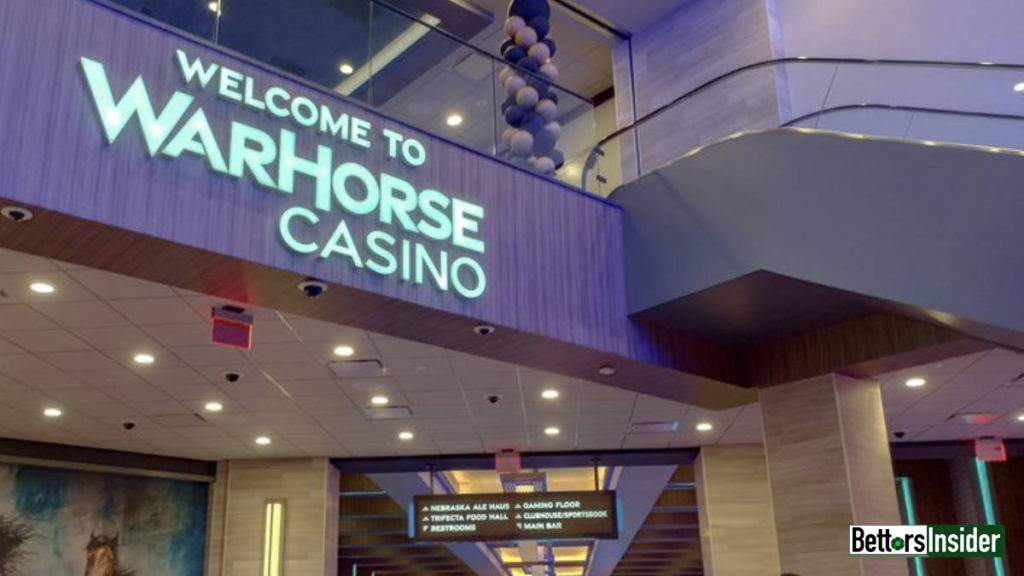

DraftKings and FanDuel have each dropped $1.1 million into Tax Relief Nebraska, the ballot question committee working to put online sports betting legalization on the state’s November 2026 ballot — and the committee has raised $2.6 million total in just the first two months of the campaign. After two straight legislative failures, the operators are going directly to voters.
Why Nebraska and Why Now
Nebraska legalized in-person sports betting through a 2020 ballot referendum, but online wagering has repeatedly stalled in the state’s unicameral legislature. A constitutional amendment proposal advanced out of committee in 2025 but couldn’t secure the supermajority required to reach the ballot through the legislative route. Rather than attempt a third legislative run, industry backers pivoted to the citizen petition process. Tax Relief Nebraska began circulating two petitions in February 2026 — one to create a constitutional amendment legalizing online betting, and a second to establish the enabling statute and regulatory framework.
The constitutional petition requires valid signatures from 10% of Nebraska’s registered voters, roughly 125,000 signatures, with at least 5% representation in 38 of the state’s 93 counties. The statute petition needs 7%, approximately 88,000 signatures, with the same geographic distribution. Both signature deadlines fall on July 3, four months before the November general election. DraftKings and FanDuel’s combined $2.2 million contribution represents the bulk of the committee’s funding, with the remainder coming from FBG Enterprises (a Fanatics Sportsbook subsidiary) and Roar Digital, the BetMGM joint venture between MGM and Entain.
What the Investment Strategy Reveals
The ballot initiative playbook is not new — operators used it successfully in states like Maryland and Louisiana when legislative routes failed — but the scale and speed of the Nebraska investment is telling. $2.6 million raised in two months, before a single signature deadline has passed, signals that DraftKings and FanDuel are treating this as a high-confidence opportunity worth serious early-stage spending. The structure of the proposed framework also reflects operator preferences: platforms would be required to partner with licensed casinos (with a limit of two platforms per casino), but the operators named as likely partners — DraftKings, FanDuel, BetMGM, Caesars, Bet365 — are exactly the tier-one players who dominate every regulated market.
WarHorse Gaming, Nebraska’s largest casino operator, is leading the petition effort and has already confirmed those partnership discussions. The proposed rules require servers to be physically located in Nebraska, a requirement that adds operational cost but has become standard in newer state frameworks. Proponents estimate online sports betting would represent a $1.6 billion industry in Nebraska with approximately $32 million in annual tax revenue — revenue that, per the statute petition language, would be directed toward property tax relief, a politically resonant use in an agricultural state.
The Path Forward and the Complications
The signature timeline is aggressive. Collecting 125,000 verified signatures with geographic distribution requirements by July 3 requires a professional, well-funded canvassing operation — which is exactly what $2.6 million buys. The committee has the resources to run this campaign. The more interesting complication is that DraftKings and FanDuel have simultaneously launched sports-focused prediction market products in Nebraska, operating outside the state’s sports betting licensing requirements.
Those products create an awkward dynamic: operators are funding legalization efforts for licensed sports betting while also offering unlicensed alternatives that generate revenue today. Nebraska regulators and legislators have taken notice. If the ballot initiative succeeds and online sports betting launches in 2027, those prediction market products will likely face licensing and taxation requirements that prediction market platforms have fought in other jurisdictions. The operators are effectively paying to build a regulatory framework that will eventually apply to a product line they’ve been using to circumvent one.