
Ohtani at -2000, Wetherholt at 58%: Reading the NL Award Markets Right Now
Prediction markets and sportsbooks agree on Ohtani's NL MVP but show meaningful divergence on the NL Rookie of the Year. Here's how to read the numbers.
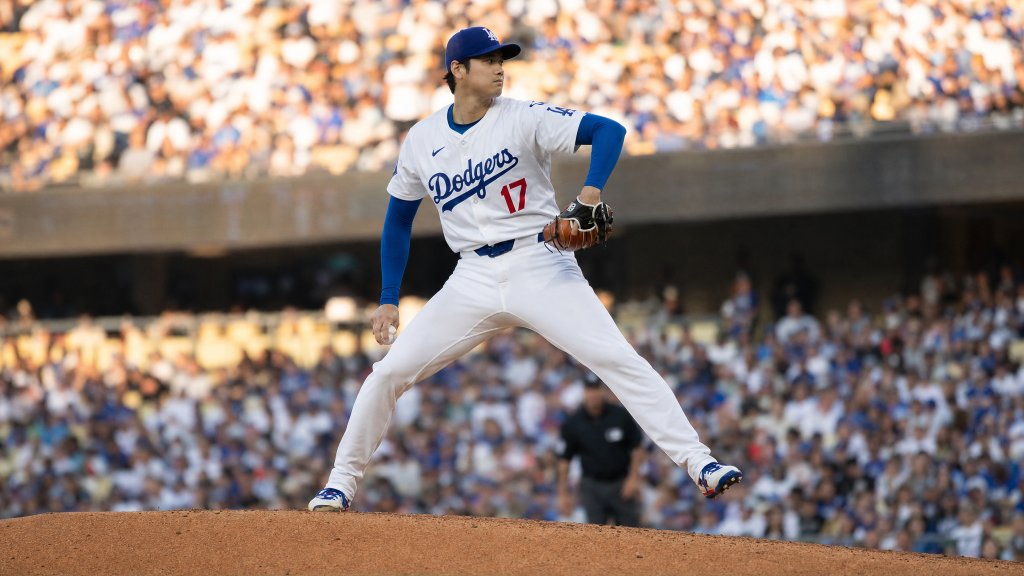

The NL award markets heading into the second half of the 2026 season are as lopsided as any in recent memory on the MVP side and genuinely competitive in the Rookie of the Year race. A cross-platform look at Polymarket, Kalshi, and traditional sportsbook futures reveals where the consensus sits — and where minor inefficiencies might still exist.

NL MVP: Ohtani Has Priced Everyone Else Out
Shohei Ohtani is the shortest-priced MVP favorite in modern history at this point in the season, and the data justifies every bit of it. Through late June, the Dodgers two-way star is hitting .296 with a .954 OPS, 17 home runs, 46 RBI, and 6 stolen bases. On the mound, he’s posted an 8-2 record, a 1.58 ERA, and a 0.90 WHIP across 79.2 innings — all while serving as the Dodgers’ designated hitter on days he’s not pitching. His WAR sits second in all of baseball.
BetMGM currently lists him at -2000 in NL MVP futures. Other books track him close to -1000 depending on timing. Prediction markets price individual binary questions around NL MVP candidates at similar implied probabilities — a contract on Polymarket tracking whether Elly De La Cruz would win NL MVP settled near 0.3 percent even as it attracted more than $7,000 in 24-hour trading volume in late June. That trading spike reflects speculative activity around De La Cruz’s return from a hamstring injury, not genuine belief in a run. De La Cruz is hitting .273 with 12 home runs and an .833 OPS, but at +10000 on most books, he remains a deep longshot. A FanDuel promo code gets you access to these futures if you want to track movement.
NL Rookie of the Year: Reading the Full Market Stack
The Rookie of the Year is where prediction markets offer something worth analyzing. Polymarket’s NL ROY market has traded more than $797,000 in total volume, making it one of the higher-liquidity MLB award markets on the platform this season.
JJ Wetherholt of the St. Louis Cardinals is the market leader at 58 percent on Polymarket and -150 at BetMGM, giving him an implied probability between 55 and 60 percent depending on the source. The convergence between prediction markets and sportsbooks here is tight. His on-field case is legitimate: 2.5 fWAR through his first 56 games, a 123 wRC+, elite defensive metrics at second base, and a .262 average with 12 home runs and 8 stolen bases. MLB.com reported he is on pace for a 7 fWAR season — the best by any rookie second baseman in over 100 years.
The gap between Wetherholt and the field is meaningful but not uncloseable. Sal Stewart of the Reds sits at 14 percent on Polymarket and +500 at BetMGM. Bryce Eldridge of the San Francisco Giants is 13.7 percent at Polymarket and +550 at BetMGM — a slight implied discount on the market side. Konnor Griffin of the Pittsburgh Pirates is drawing heavy sportsbook handle at +750 while sitting at 12 percent on Polymarket, which translates to roughly +733 implied odds. Understanding how prediction markets work is essential to interpreting these gaps correctly — when Polymarket and a sportsbook diverge by more than a few percentage points on the same outcome, that spread is worth examining before placing capital.
Kalshi vs. Polymarket on the NL Award Markets
The two major US-facing prediction markets price these NL award questions somewhat differently. Kalshi’s NL ROY market had Wetherholt at 37 percent and Stewart at 26 percent as of mid-June reporting — a tighter distribution than Polymarket’s 58/14 split. This divergence typically reflects timing differences and liquidity rather than fundamental disagreement, but it creates small opportunities for arbitrage-aware traders watching both platforms simultaneously.
Platforms like Kalshi and Polymarket approach these markets differently in structure. Kalshi operates under CFTC oversight as a designated contract market. Polymarket runs on decentralized infrastructure and processes higher volume in many sports markets. Our Kalshi vs. Polymarket comparison breaks down the structural differences in detail. Both platforms have been active on the NL ROY this season.
Where the Market Consensus Points
Across both prediction markets and traditional sportsbooks, the consensus is clear on Ohtani and directionally clear on Wetherholt. The secondary Rookie of the Year market — Stewart, Eldridge, and Griffin — shows the most divergence between platforms and represents the only area where market analysis could surface actionable edges for informed bettors.
If you’re using prediction markets to add an analytical layer to your baseball fandom, our full prediction markets vs. sports betting guide is worth reading before committing capital. The NL award markets are among the most liquid MLB prediction markets available this season, and the second half will bring sharper moves as these races either develop or close out entirely. For a full overview of what’s available, our Polymarket review covers the platform’s sports market depth heading into the stretch run.