
NFL Cancels 2026 Supplemental Draft, Closing Brendan Sorsby’s Path to the League After Gambling Violations
The NFL cancelled its 2026 supplemental draft, blocking Brendan Sorsby from entering the league this year after the former Texas Tech quarterback admitted to betting more than $90,000 during his college career, including on his own team's games.
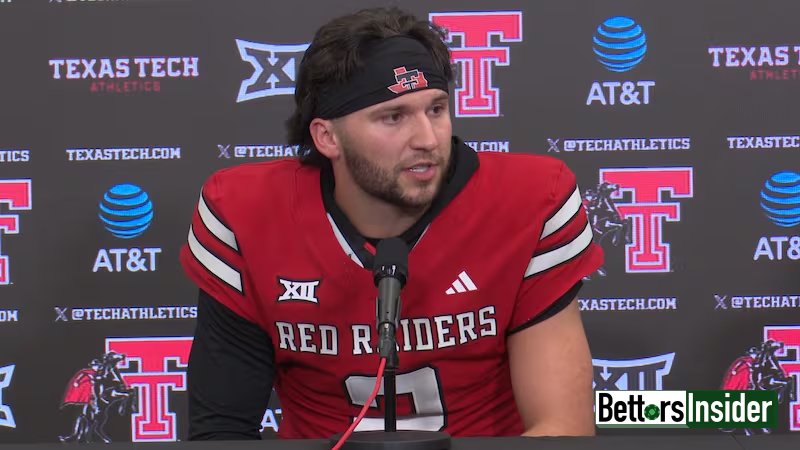

The NFL announced Tuesday it will not hold a 2026 supplemental draft, cutting off former Texas Tech quarterback Brendan Sorsby’s last viable route to the league this year. The decision leaves Sorsby, who admitted placing more than $90,000 in bets during his college career including on his own team’s games, waiting until the 2027 NFL Draft for his next opportunity.
Sorsby transferred to Texas Tech from Cincinnati in January after publicly disclosing he had sought treatment for a gambling addiction. An NCAA investigation into his wagering history — which spanned four years and included more than 40 bets on Indiana football games while he was a freshman with the Hoosiers in 2022 — ended his college eligibility. He completed a 35-day residential treatment program in Arizona earlier this year and had applied for the NFL’s 2026 supplemental draft as his route into professional football.
The NFL’s Decision
In a letter to Sorsby and all 32 teams, the NFL said that “under our Collective Bargaining Agreement, the League retains sole discretion to determine whether it is appropriate to conduct a Supplemental Draft in any given year.” The supplemental draft has rarely been held in recent years, and agents familiar with the process noted that the league routinely declines to convene one regardless of who applies. Sorsby was the only known applicant for 2026.
The case has drawn commentary about what critics describe as a tension between the NFL’s firm stance on Sorsby’s personal gambling history and the league’s active promotion of legal sports betting through its official partnerships. DraftKings and FanDuel appear prominently in NFL broadcasts and stadium signage under multi-year agreements with the league. That juxtaposition has sparked debate about how the league defines gambling integrity — particularly regarding conduct by players versus the league’s own commercial interests in the betting industry. If you want to wager on the upcoming NFL preseason through one of the league’s official betting partners, check the current DraftKings promo code or FanDuel promo code.
What Comes Next for Sorsby
Sorsby’s legal team had considered challenging the NFL’s decision in court, with ESPN’s Adam Schefter reporting the possibility. However, most legal experts viewed a court order compelling the league to hold a supplemental draft as unlikely given the CBA language and the short timeline remaining before the preseason. With the Texas Tech avenue also closed — the university barred him from playing in 2026 despite a state court injunction that technically restored his eligibility — Sorsby appears to have no football outlet for the coming season.
He is now expected to prepare for the 2027 NFL Draft while continuing recovery from his diagnosed gambling disorder. Whether NFL teams will view his gambling history as a dealbreaker or a manageable character concern is unclear. Several former football players with gambling-related controversies have found their way to the league after rehabilitation periods, though none involved betting on games they participated in, which represents the most serious category of gambling violation in the NFL’s personal conduct policy.
A Cautionary Story for the Legal Betting Era
The Sorsby case is a striking data point in the broader story of legal sports betting’s expansion in America. His gambling started in 2022, the same period when sports betting legalization was accelerating rapidly across states. The ease of access to legal and illegal wagering platforms for a college athlete — and the scale of $90,000 in total wagers over four years — highlights real consumer protection and integrity concerns that regulators, leagues, and operators are still working to address. The NFL’s response, while perhaps controversial in its perceived inconsistency with commercial betting partnerships, sends an unambiguous signal about the league’s position on player gambling on football. The matter will remain a significant story as Sorsby navigates the year ahead.