
Iowa Lawmakers Advance a Bill to Tax Prediction Markets — Why the Regulate-and-Tax Path Is Gaining Ground
Iowa SF 2470 has cleared a House subcommittee with a 45-1 Senate mandate behind it. Here is why the regulate-and-tax approach to prediction markets is gaining traction and what it means for operators.

The national state-level response to prediction markets has split into two clear camps. The enforcement states — Arizona, Wisconsin, Nevada, Massachusetts, Washington, and others — have pursued lawsuits, criminal charges, cease-and-desist orders, and outright bans. Iowa has gone the other direction, passing a 45-1 Senate vote to regulate and tax these platforms rather than shut them down, and now advancing that bill through a House subcommittee. Understanding why Iowa zigged while others zagged — and what it signals for the industry — is one of the more consequential questions in gaming regulation right now.
What SF 2470 Creates
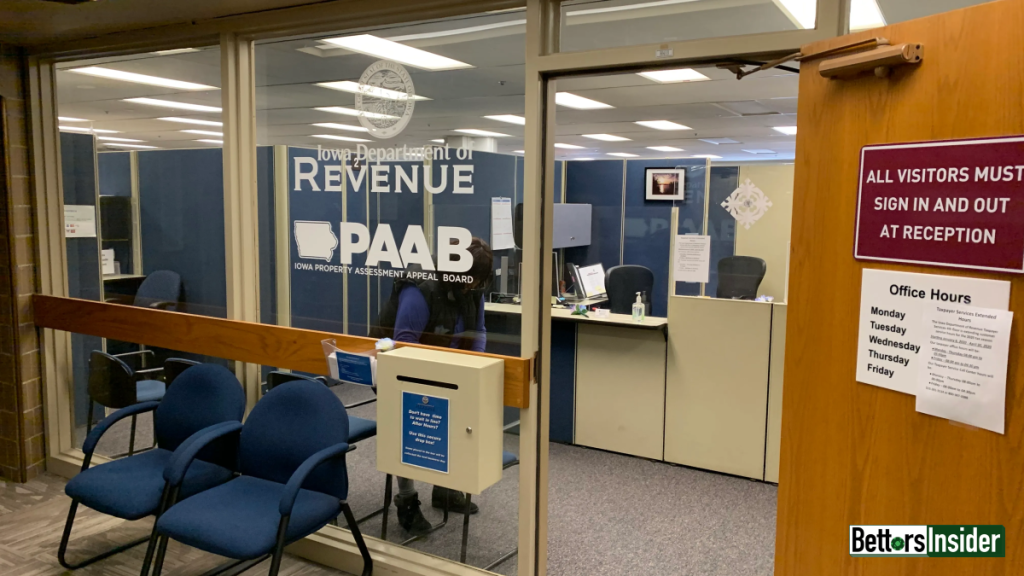
Senate File 2470, introduced by Senate Majority Leader Mike Klimesh, would be the first state law in the United States to explicitly regulate prediction market operators. The bill requires platforms like Kalshi and Polymarket to obtain a permit from the Iowa Department of Revenue to serve Iowa residents. The initial application fee is set at $20 million per permit, with annual renewal fees of $100,000. Operators would pay a 20 percent tax on adjusted revenues from Iowa users — the same general framework used in most state sports betting tax regimes, taxing the house’s net take rather than total handle. All permit and tax revenue flows to the state general fund.
The Iowa Department of Revenue’s fiscal note on the bill projects that two platforms — almost certainly Kalshi and Polymarket — would enter the market in the first year, generating approximately $40 million in General Fund revenue from permit fees alone in fiscal year 2027. Annual tax revenue on Iowa trading activity would add millions more. Iowa’s share of 2025 total prediction market platform revenue was estimated at $4.6 million, with that figure projected to grow at roughly 38 percent annually as the market matures nationally.
The Regulate-vs.-Ban Divergence
The question Iowa’s approach forces is whether states that ban these platforms actually achieve their policy goals — or simply push activity to unregulated environments. The states pursuing enforcement-first strategies have articulated a clear position: prediction markets that offer sports event contracts are unlicensed gambling, full stop, and they should be shut down or forced to exit the market. Tennessee, which generated taxes on more than $305 million in a single month from its 12 licensed sports betting operators, has argued that unregulated platforms are actively siphoning revenue away from licensed operators and state coffers without paying into either.
Iowa’s counter-position is that the relevant question is not whether to let prediction markets operate but how to extract revenue from them while they do. The 45-1 Senate vote — in a Republican-controlled chamber — suggests that once a licensing framework is laid out clearly, the pragmatic case for taxation over prohibition is not particularly controversial among legislators who take fiscal realities seriously.
The $20 million initial permit fee itself reflects a deliberate policy choice: by setting the entry cost high, Iowa ensures that only well-capitalized platforms can participate. The fiscal note explicitly assumed only two platforms would pay the fee, concentrating the market among established operators with the resources and regulatory infrastructure to comply. That is not an accident — it limits the compliance burden on state regulators while preserving the tax revenue benefit.
What It Means for Operators
For prediction market platforms, Iowa’s approach is complicated. Kalshi preemptively sued Iowa’s attorney general in March, arguing that CFTC exclusive jurisdiction over derivatives markets preempts any state regulation. That lawsuit will continue regardless of whether SF 2470 becomes law, and it mirrors parallel litigation in Nevada, Ohio, Arizona, and at least a dozen other states. The federal preemption question — which circuit courts have now split on — is ultimately headed for the Supreme Court, and no state legislature can resolve it.
But for platforms that believe they will ultimately win the federal preemption argument, a state licensing framework is a different kind of threat: a legitimization mechanism that acknowledges their existence while capturing a share of their economics. Operators who spend years and significant legal fees winning preemption arguments in court may find themselves operating in a landscape where states have passed licensing laws that apply to them anyway — not as gambling regulators, but as financial regulators under a different statutory framework.
For sportsbook operators in Iowa and nationally, SF 2470 is worth watching closely. A state that licenses and taxes prediction markets creates a regulated competitor operating in the same space under different economics — no retail presence requirements, no responsible gaming marketing restrictions, a digital-only footprint with a national customer base. Whether Iowa becomes a template that other states follow, or a one-off experiment that dies in the House, will depend on what happens in the courts over the next several months and how those outcomes reshape the political calculus for lawmakers who are currently undecided.