
Dallas Mavericks CEO Rick Welts Rules Out Casino Component in New Arena Development Plans
Dallas Mavericks CEO Rick Welts issued the most definitive statement yet that the team's planned new entertainment district and arena will not include a casino component.
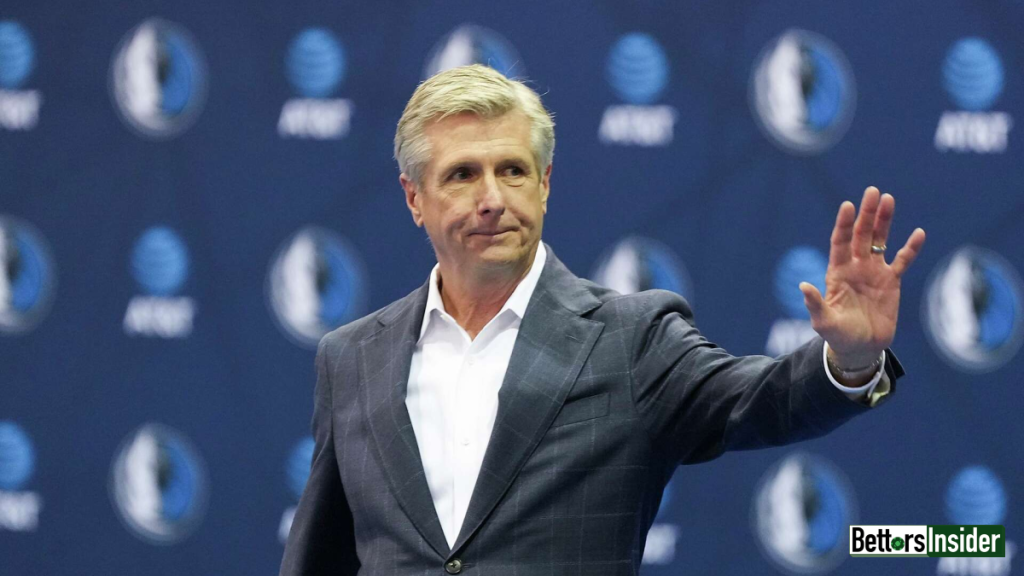

Dallas Mavericks CEO Rick Welts has provided the clearest indication yet that the team’s plans for a new arena and entertainment district in Dallas do not include a casino. In a statement to The Dallas Morning News, Welts said: “No, our plans will stay consistent with no casino component.” The statement comes as team ownership, which includes investor groups with strong interest in legalizing casino gaming in Texas, has been associated with the broader push to expand gambling in the state. Welts’ comment draws a firm line between the Mavericks’ real estate ambitions and any gaming expansion effort.
The Mavericks’ proposed entertainment district is a large-scale development that includes a new arena, corporate headquarters, practice facility, hotel, and retail and dining components. The project represents one of the most significant sports-anchored real estate developments in recent Dallas history, and its scale has naturally raised questions about whether gaming elements might be included given the ownership group’s known interest in Texas gambling legislation. Welts’ definitive denial suggests the team is deliberately keeping the arena project separate from any gaming policy advocacy its ownership may undertake.
Texas Gambling and Casino Expansion Context
Texas is one of the largest US states without any form of commercial casino gaming, and the push to legalize casinos in the state has been a long-running legislative effort that has gained momentum in recent years. Las Vegas Sands, which has invested heavily in Texas gambling lobbying, has been the most prominent external advocate for casino legislation. The Mavericks’ ownership group, which includes figures with financial interests in gaming, has been among the local stakeholders supportive of legalization in concept. However, casino gaming in Texas requires a state constitutional amendment, which must first pass the Texas Legislature and then be approved by voters in a statewide referendum — a high bar that has prevented legalization despite repeated attempts.
The separation Welts is drawing is strategically logical. A new arena project requires city approvals, public financing negotiations, and community support that could be jeopardized if casino gaming were attached, given the political and community opposition that gaming expansion still generates in parts of Texas. By keeping the development strictly a sports and entertainment play, the Mavericks can pursue the arena project on its own merits while ownership members separately advocate for casino legislation through appropriate lobbying channels.
What This Means for Texas Sports Betting
For Texas sports bettors, the Mavericks CEO’s statement has limited direct impact, as the state does not currently permit legal sports betting either. Texas has consistently been one of the most-watched states for potential Texas sports betting legalization, with major operators including DraftKings and FanDuel lobbying for access. The same constitutional amendment process that complicates casino legalization applies to sports betting, though some advocates have argued that sports betting could be authorized through a different legislative route. The Mavericks’ decision to keep gaming out of their arena plans does not diminish the overall push for Texas gambling expansion, which continues on multiple legislative and lobbying fronts independent of any specific real estate development.