
Colorado Poised to Become First State to Cap Daily Deposits on Sports Betting Apps
Colorado lawmakers sent SB 131 to the governor, a first-of-its-kind bill that would limit how many deposits a gambler can make per day in a sports betting app and ban push notifications that solicit bets.
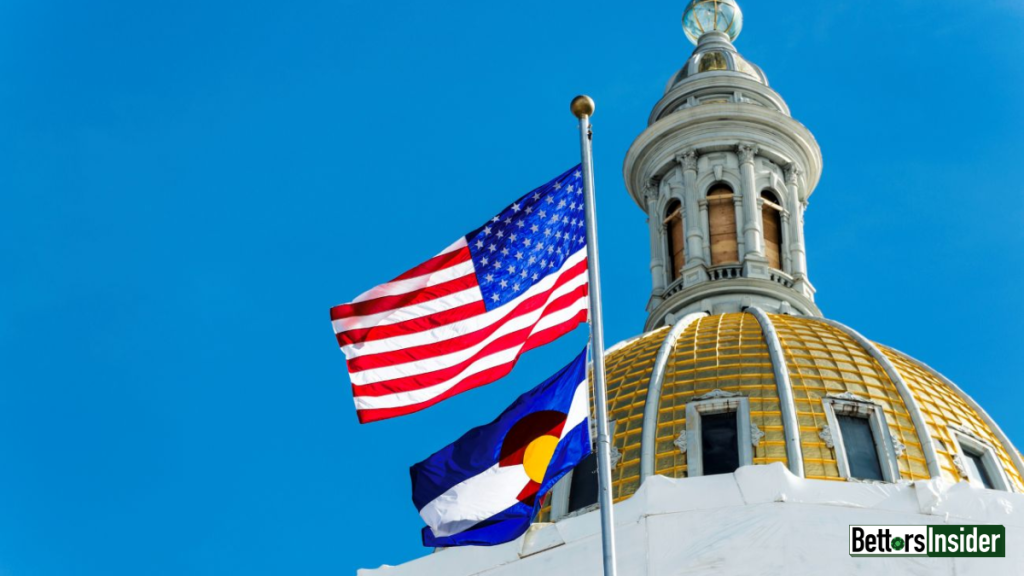

Colorado is poised to become the first state in the country to limit the number of daily deposits a gambler can make on sports betting apps, after lawmakers sent Senate Bill 131 to Gov. Jared Polis for his signature on Wednesday, May 13, 2026. The bill would also ban push notifications that solicit bets or deposits, making it the first state to impose that restriction, and would prohibit credit card deposits on gambling apps.
The Senate agreed to House amendments to the bill on Wednesday. Five of the 13 online sportsbooks currently operating in Colorado already have credit card bans in place voluntarily, but SB 131 would make the prohibition universal. The responsible gambling measures are framed as tools to prevent addiction and protect bettors from overspending with borrowed money.
What the Bill Would Require
While the specific daily deposit limit has not been publicly detailed in final form, the legislation targets the mechanics that consumer advocates and addiction specialists say fuel problem gambling behavior. Restricting the number of daily deposits would create friction for bettors in the throes of a losing streak, while banning solicitation push notifications addresses the concern that apps actively prompt users to keep betting at vulnerable moments.
Colorado has one of the more competitive and mature online sports betting markets in the country. The state legalized sports betting in 2020, and more than a dozen operators now hold licenses. Colorado sports betting has grown substantially year over year, and operators have generally argued that voluntary responsible gaming tools are sufficient. SB 131 would override that argument on the deposit and notification fronts.
Industry Pushback and National Implications
Consumer advocates have praised the bill as a meaningful step beyond the self-exclusion lists and voluntary spending trackers that most states offer. Critics in the industry have argued that deposit caps could drive bettors to unregulated offshore sites where no consumer protections exist. If Gov. Polis signs SB 131, Colorado would become a model other state legislatures may look to when crafting their own responsible gambling frameworks. States like Ohio, which is already drafting a credit card ban for sports betting, are watching Colorado closely. The AGA and major operators have generally favored industry-led responsible gaming initiatives over legislative mandates, but the momentum in state capitals is clearly shifting.