
Michigan Senate Strips Whitmer’s Per-Wager Sports Betting Tax From State Budget in Bipartisan Rejection
Michigan lawmakers from both parties voted to remove Gov. Gretchen Whitmer's proposed per-wager sports betting tax from the state budget, rejecting a revenue plan that would have generated an estimated $39 million annually.
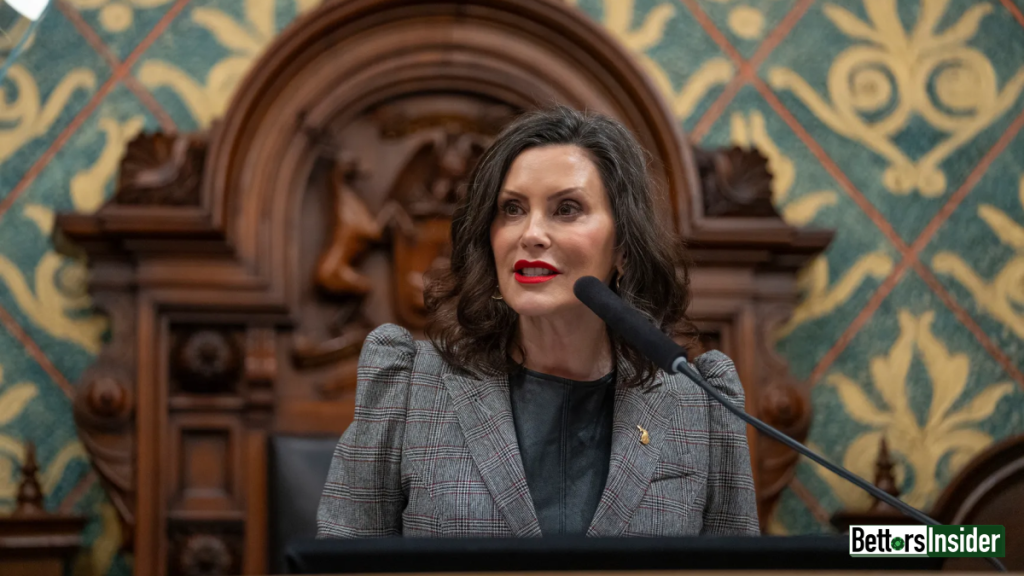

Michigan’s state Senate passed an $88.1 billion budget last week that stripped Gov. Gretchen Whitmer’s proposed per-wager sports betting fee and related iGaming tax increases, delivering a bipartisan defeat to the governor’s revenue package. The rejection spanned party lines, with multiple Democrats joining Republicans to oppose a plan that would have reshaped how online sportsbooks are taxed in one of the country’s most competitive sports betting markets.
Whitmer’s original proposal included a fee structure modeled after the Illinois per-wager tax that took effect in 2025. Under her plan, Michigan sportsbooks would have been charged $0.25 per wager on the first 20 million bets processed annually, rising to $0.50 per wager beyond that threshold. State projections estimated the measure would generate approximately $39 million per year. The governor’s package also sought to eliminate promotional deduction write-offs currently available to sportsbooks, a move projected to raise another $21 million annually, and proposed a higher graduated tax rate on online casino revenue above $185 million per year.
Why Lawmakers Pushed Back
The Illinois experience loomed large in Lansing. After Illinois adopted a per-wager tax, several major sportsbooks raised minimum bet sizes and introduced new fees for bettors in that state. Michigan legislators from both chambers argued that following the same path could drive customers to unregulated offshore sites, eroding the regulated market the state built when it launched mobile sports betting in 2021. State Sen. Sarah Anthony, a Democrat, told Bridge Michigan after the budget passed: “We have not contemplated new revenue, particularly those sin taxes the governor has put forward, but we’re open to that conversation.”
What Happens Next
The budget still needs to be reconciled with a House version and signed by Whitmer before the fiscal year deadline. It is possible the governor will attempt to reinsert some revenue measures in later budget negotiations. A separate, more modest bill proposing a 1% increase to sports betting tax rates remains in play at the legislature. For Michigan sports bettors, the practical impact for now is that the current tax structure remains intact. Those using Michigan sports betting apps will not see changes to the betting environment tied to this proposal in the near term.