
Churchill Downs Just Bought the Preakness Stakes Brand for $85 Million — What It Changes for Horse Racing Bettors
Churchill Downs Incorporated agreed to acquire the Preakness Stakes intellectual property for $85 million, giving the company brand control over two of the three Triple Crown legs and potentially reshaping how the sport is packaged for bettors.
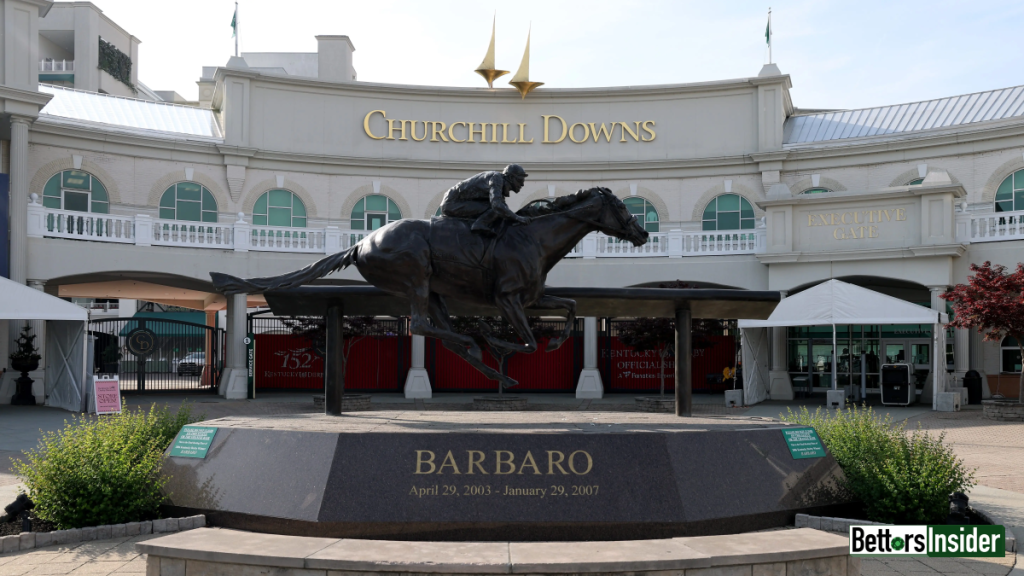

Right as the sport’s biggest weekend gets underway, Churchill Downs Incorporated quietly made a move that could reshape horse racing for years to come. On April 21, 2026, CDI announced it had agreed to purchase the intellectual property rights to the Preakness Stakes and the Black-Eyed Susan Stakes for $85 million. The seller is 1/ST Maryland LLC, an affiliate of 1/ST Racing — the Stronach Group entity that held onto the Preakness trademark after transferring day-to-day racing operations at Pimlico Race Course to a state-run entity in Maryland. For bettors paying attention to how America’s most prestigious racing events are owned, operated, and distributed, this deal has real long-term implications.
The Deal: $85 Million for a Historic Name
CDI is funding the acquisition with a combination of cash on hand and its existing credit facility. The transaction is expected to close after this year’s Preakness Stakes, which is scheduled to run on May 16, 2026 at Laurel Park — a temporary venue standing in while Pimlico Race Course undergoes a major renovation and reconstruction project in Baltimore.
What CDI is purchasing is specifically the intellectual property: the trademarks, branding, and name rights associated with the Preakness Stakes and Black-Eyed Susan Stakes. It is not purchasing Pimlico, the land, or the racing operations themselves. Those remain under the control of the state of Maryland through its racing authority.
CDI CEO Bill Carstanjen framed the move squarely within the company’s long-term growth strategy: “This acquisition adds one of the most iconic brands in American sports to our portfolio and is consistent with our strategy of investing in premier thoroughbred racing assets with long-term growth potential. In keeping ownership of the Preakness intellectual property in the racing industry, CDI will support efforts to fully realize the potential of a redeveloped Pimlico and Preakness Stakes within the Triple Crown and the broader sports and entertainment landscape.”
What CDI Is Actually Buying — and Not Buying
The distinction between brand ownership and race operation matters. Maryland will continue to host and operate the Preakness Stakes. As part of the agreement, CDI will license the Preakness intellectual property back to the State of Maryland for an annual licensing fee, allowing the race to continue being held in Baltimore — or wherever the state chooses to stage it — without interruption.
So the Preakness is not moving to Louisville. It is not being absorbed into Churchill Downs’ physical footprint. What CDI gains is control over the name, the brand, and the associated commercial rights — which, in the modern sports and media landscape, is where the real leverage sits. Television deals, streaming rights, sponsorship agreements, and licensed merchandise all flow from brand ownership. CDI now holds that lever for two of the three Triple Crown races.
Two Legs of the Triple Crown, One Company
CDI already owns and operates Churchill Downs in Louisville, the historic home of the Kentucky Derby, the first leg of the Triple Crown. With this acquisition, the company now holds the brand rights to the Derby and the Preakness Stakes — the first and second legs of the sport’s most celebrated series.
The third leg, the Belmont Stakes, is operated by the New York Racing Association. NYRA is currently running the Belmont at Saratoga Race Course while Belmont Park in Elmont, New York undergoes its own renovation project. CDI has no ownership stake in the Belmont Stakes, and NYRA is an independent entity.
That said, CDI’s control of two out of three Triple Crown properties puts it in a materially stronger negotiating position on anything related to the Triple Crown as a package — whether that involves media rights bundling, scheduling discussions, or broader commercial partnerships. The traditional Triple Crown calendar runs the Kentucky Derby on the first Saturday in May, the Preakness roughly two weeks later, and the Belmont Stakes approximately three weeks after the Preakness. Whether CDI’s expanded ownership eventually influences that structure remains to be seen, but the company now has the leverage it previously lacked.
What This Means for Horse Racing Bettors
For bettors, the most immediate takeaway is that nothing changes about the 2026 Preakness. The race runs May 16 at Laurel Park, and every licensed sportsbook that accepts horse racing wagers will continue to handle action on it. Major platforms like FanDuel Sportsbook and their competitors cover Triple Crown races extensively, and that will not change this spring.
The longer-term implications are more interesting. CDI’s ownership of the Preakness brand gives it influence over how the race is packaged and sold to broadcasters and streaming services. As media rights deals for horse racing continue to evolve — and as the industry pushes harder into digital distribution — the company that controls the brand controls how and where fans watch the race. That, in turn, affects how bettors are funneled into specific platforms or promotional ecosystems.
There is also the fixed-odds wagering angle. Kentucky passed HB 904, which paves the way for fixed-odds wagering on horse races at Kentucky tracks. CDI’s position as the operator of Churchill Downs, combined with brand ownership of both the Derby and Preakness, puts it at the center of any meaningful evolution in how marquee thoroughbred events are bet on across the country. Fixed-odds horse racing betting has gained traction in states where it has launched, offering bettors a familiar sportsbook-style experience rather than the traditional pari-mutuel pool. If CDI moves aggressively in this direction, both the Derby and Preakness could eventually serve as flagship events for a fixed-odds product.
For anyone following sports betting in the US more broadly, CDI’s acquisition is a reminder of how the business of horse racing is consolidating around a small number of well-capitalized operators. The company has spent years building out its portfolio — from gaming facilities to advance deposit wagering platforms — and this deal fits that playbook cleanly. Owning the Preakness name is not just a sentimental investment in tradition. It is a strategic positioning move in a sport that is actively competing for market share against other forms of legal wagering.
The Bigger Picture
Churchill Downs Incorporated has been methodical in its expansion strategy, and this acquisition is consistent with that pattern. The company has pursued premier racing assets with durable commercial potential, and the Preakness Stakes brand — one of the most recognized names in American sports — fits that criteria precisely.
What happens after the deal closes will be worth watching. CDI will need to balance its commercial ambitions with Maryland’s interests and the expectations of racing traditionalists who see the Preakness as a Baltimore institution. The licensing structure, which keeps the race in Maryland’s hands operationally, suggests CDI is entering this relationship with some diplomatic care. But over the long term, the company that owns the name and the commercial rights to a race holds considerable influence over its future — even when it does not own the ground the horses run on.
The 2026 Preakness Stakes runs May 16 at Laurel Park. Superfecta tickets and win bets will be handled the same way they always have been. But somewhere in the background, the business of who controls horse racing’s biggest brands just changed in a meaningful way.