
New Mexico Tribes Sue Kalshi Over Sports Betting on Tribal Lands, Citing IGRA Violations
Four New Mexico tribes filed suit against Kalshi on Tuesday, arguing the prediction market platform is conducting illegal sports betting on tribal lands and bypassing gaming compacts they spent decades securing.
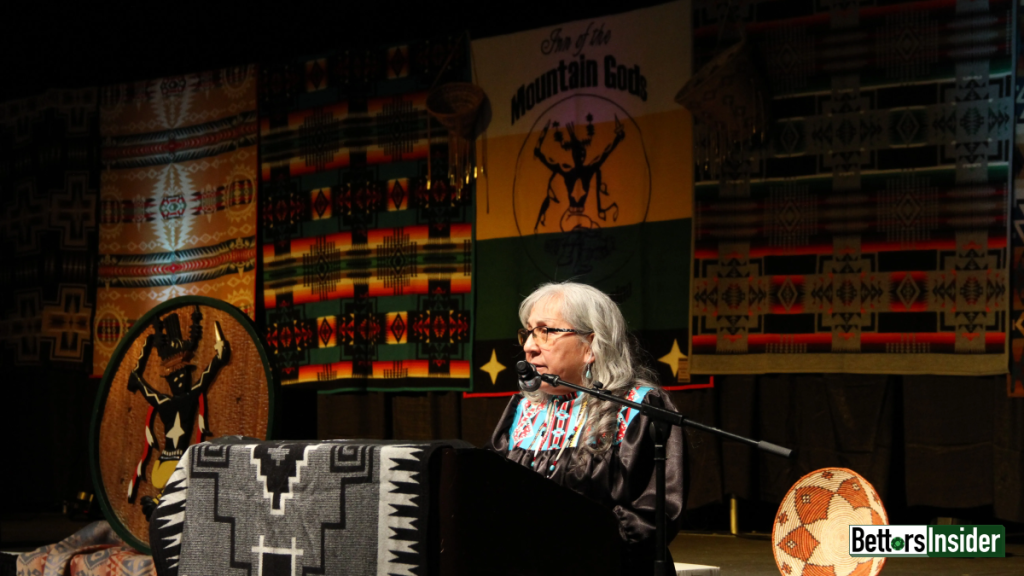

Four New Mexico tribes filed a lawsuit against prediction market platform Kalshi on Tuesday, May 13, 2026, alleging the company is conducting illegal sports betting on tribal lands in violation of the federal Indian Gaming Regulatory Act. The plaintiffs are the Mescalero Apache Tribe, the Pueblo of Isleta, the Pueblo of Pojoaque, and the Pueblo of Sandia. The 34-page complaint was filed in U.S. District Court in Albuquerque.
The lawsuit marks the third time a Native American tribe has sued Kalshi, following similar cases in California and Wisconsin. Earlier this week, a federal judge in Wisconsin denied the Ho-Chunk Nation’s request for an immediate injunction against Kalshi but affirmed the tribe had shown a “likelihood of success” in its underlying IGRA claims — a ruling legal observers described as potentially opening the door to a wave of similar actions nationwide.
What the Tribes Are Alleging
The New Mexico tribes argue that Kalshi’s sports event contracts are functionally indistinguishable from traditional sports wagering and that IGRA gives tribal gaming operators exclusive authority to regulate Class III gaming on their lands. Under New Mexico law, sports betting is only permitted in person at tribal gaming facilities, and only for patrons aged 21 and older. The tribes contend that Kalshi allows users as young as 18 to access its sports markets anywhere in the state, including on tribal lands.
Sandia Pueblo Gov. Stuart Paisano said in a statement that the use of prediction markets for gambling purposes “diverts essential revenue away from our governments, provides an end-run around regulation of gaming on our lands, and allows gaming by underage people.” The lawsuit also alleges that Kalshi could have blocked access via geofencing within tribal boundaries but chose not to.
The Broader Regulatory Fight
Kalshi has consistently maintained that its platform operates as a federally regulated exchange under the Commodity Exchange Act, subject to CFTC oversight rather than state gaming laws. The New Mexico tribes counter that the CEA does not override IGRA, noting the federal law does not reference tribal authority at all. The tribes cite tribal civil fines of up to $5,000 per day, per violation under their gaming ordinances, as well as punitive damages in the suit.
The outcome of this case, alongside the Ho-Chunk proceedings in Wisconsin, could significantly shape the regulatory landscape for prediction market legality across the country. As of publication, Kalshi had not filed a response to the New Mexico complaint. Users currently active on Kalshi in the state should monitor developments closely as tribal litigation accelerates.